
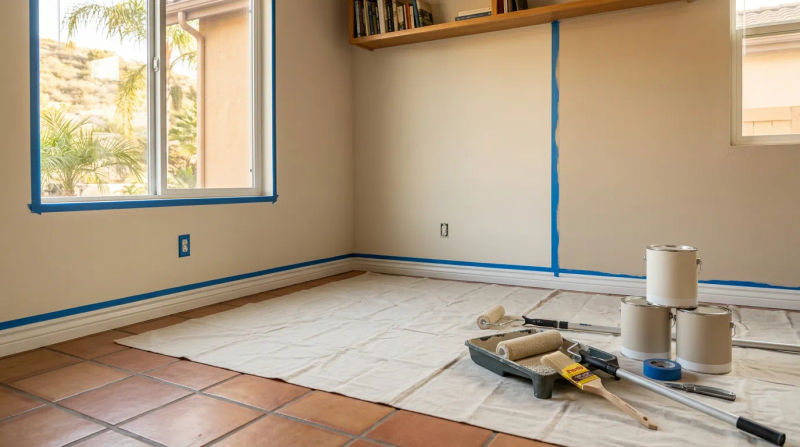
Hi, I’m Miguel Ramirez. With over 12 years of experience as a handyman here in the Corona and Riverside area, I’ve been inside a lot of homes. One of the first questions I always get, no matter the job, is "How much is this going to cost?" And I get it. Budgeting for home projects is a huge concern for homeowners. When it comes to giving a room a fresh look, nothing beats a new coat of paint. But what’s a realistic interior painting cost?
My goal here isn't to sell you anything, but to give you the honest, transparent information I share with my neighbors every day. We'll break down the real costs of painting a room in Riverside, what factors can make that price go up or down, and how you can get the best value for your money. Especially as we head into September, it's a popular time to tackle indoor projects before the holidays arrive and our schedules get crazy.
Average Costs in Riverside
Let's start with some ballpark numbers. Please remember, these are just averages. Every project is unique, but this should give you a solid starting point for your budget. Here in Riverside, the long, dry stretches mean our homes deal with a lot of dust and sun-faded interiors, which often adds a bit more prep time compared to other areas.
For a standard 10x12 foot room (like a small bedroom or office) with 8-foot ceilings, you can generally expect the following:
- Painting Walls Only: For a professional job that includes minor prep (filling small nail holes, light sanding) and two coats of quality paint, you’re likely looking at $450 to $700. This is a common range for the cost to paint a bedroom Riverside CA.
- Including Trim and Ceiling: If you add the ceiling, baseboards, and trim around doors and windows, the cost can increase to $700 to $1,200 or more, depending on the complexity and condition of the trim.
How do professionals arrive at these numbers? There are a few ways:
- Per Room: This is common for standard-sized rooms and simplifies the estimate.
- Per Hour: Handyman painter rates Riverside typically fall between $60 and $95 per hour, plus the cost of materials. This is often used for smaller jobs or projects with a lot of detailed prep work.
- Per Square Foot: For larger projects or entire homes, you might see pricing based on the wall's square footage (not the floor's). This can range from $2 to $6 per square foot, depending on the factors we'll discuss next.
Factors That Affect Price
The final price tag is rarely just about slapping paint on a wall. As a handyman, I know that 75% of a great paint job is in the preparation. Here’s what really drives the interior wall prep and paint pricing Riverside.
- The Amount of Prep Work: This is the single biggest variable. Are the walls covered in scuffs and nail holes? Are there stress cracks that need to be taped and mudded? In many of Riverside's historic neighborhoods like the Wood Streets, I often work on homes from the pre-1940s era. These beautiful Craftsman and Spanish-style homes can have original plaster walls, which require a more delicate touch and specialized repair techniques than modern drywall. The extra dust from our late fire season also means walls need a thorough cleaning before any primer or paint can be applied, or the new coat won't adhere properly.
- Ceilings, Trim, and Doors: A simple, square room with just walls to paint is the quickest job. The price goes up as you add more elements. Painting ceilings requires looking up all day (it's harder than it looks!) and careful cutting-in. Trim, baseboards, and window frames involve a lot of detailed, painstaking work with a brush. Each door can add an hour or more to the job, especially if it has panels.
- Paint Quality: You get what you pay for. I can't stress this enough. Cheaper paint might save you $20 a gallon, but it often requires a third coat, costing you more in labor. High-quality paints from brands like Sherwin-Williams or Benjamin Moore offer better coverage, durability, and washability, saving you money in the long run.
- Color Changes: Are you painting a light color over an existing light color? That’s straightforward. But if you’re going from a dark blue to a light beige, it will require a coat of primer and likely extra coats of paint to prevent the old color from showing through. This adds significant material and labor costs.
- Room Accessibility: A vacant, empty room is a painter's dream. If the room is filled with heavy furniture that needs to be moved to the center of the room and covered, that adds time. High, vaulted ceilings require tall ladders or even scaffolding, which also increases the complexity and cost of the job.
How to Get the Best Value
Everyone wants to save money, but you don't want to cut corners that you'll regret later. Here are some practical ways to get the best bang for your buck without sacrificing quality.
- Do Some of the Prep Yourself: If you're able, you can save on labor costs by doing some of the simple prep work. Move all the furniture to the center of the room, take down photos and curtains, and remove outlet and switch covers. You could even offer to do a final clean-up. Just be sure to discuss this with your contractor beforehand so it's factored into the quote.
- Bundle Your Projects: If you need a room painted but also have a leaky faucet, a loose doorknob, or a screen door that needs repair, ask your handyman if they can tackle it all in the same visit. It’s almost always more cost-effective to bundle small jobs than to hire someone for multiple separate trips.
- Stick with a Similar Color: If you’re just looking to refresh a room, choosing a color that’s close to the existing one can often save you the cost of a second or third coat. This is one of the easiest ways to lower the overall interior painting cost.
- Invest in Good Paint: As I mentioned before, don't skimp on the paint itself. Better paint means better coverage, a more durable finish, and an easier time cleaning up scuffs down the road. The small upfront investment pays off.
Questions to Ask Your Contractor
Before you hire anyone, you should feel 100% comfortable. A good professional will be happy to answer all your questions. Here are a few I recommend you ask:
- Is your quote an estimate or a fixed price? Get clarity on what happens if the job takes longer than expected.
- What, specifically, is included in the prep work? Does it include patching holes larger than a nail, sanding, and priming?
- What brand, sheen, and line of paint is included in the price? This ensures you aren't getting low-quality paint.
- How will you protect my floors, furniture, and belongings? They should have a clear plan involving drop cloths and plastic sheeting.
- How many coats of paint does the quote include? The standard is two coats for good coverage.
- Are you licensed and insured? This is non-negotiable. It protects you and your home.
I hope this guide has helped demystify the costs associated with getting a professional paint job. A fresh coat of paint is a powerful thing - it can completely change the feel of your home. By understanding the process and asking the right questions, you can make a confident and informed decision for your project.
If you're in the Riverside area and want a clear, no-nonsense quote tailored to your specific needs, my team and I are here to help. For a personalized estimate, contact Handyman Services by Carlos for a free consultation.