
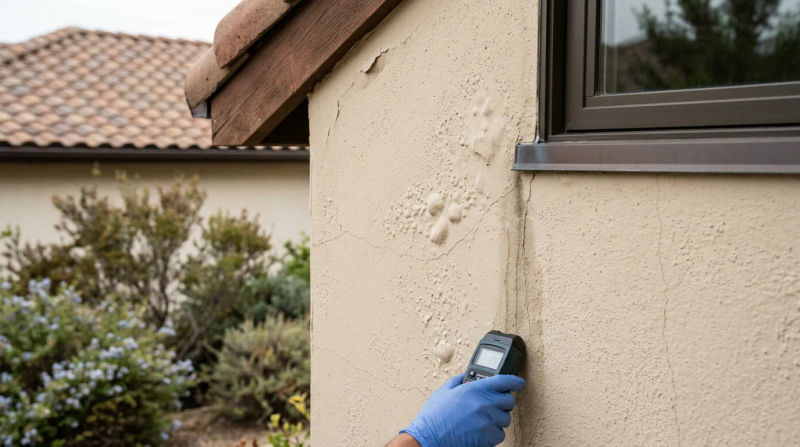
As a handyman working in and around Corona for over a decade, I’ve learned to read the seasons. Here in Temescal Valley, October brings a welcome change. The intense summer heat finally breaks, the nights get cooler, and you can feel that hint of moisture in the air. It’s the perfect time to grab a cup of coffee and take a slow walk around your house. But as you do, you might notice something you overlooked in the summer glare - a few bubbles in the paint on a stucco wall, or some dark streaks under a window.
These small imperfections are more than just cosmetic blemishes; they are early signs you need an exterior repaint before rain comes. With the damp air returning, these minor issues can quickly escalate, compromising your home's first line of defense against the elements. Taking a few minutes to inspect your home's exterior now can save you from much bigger headaches and expenses down the road.
Common Signs and Symptoms
Your home's exterior paint is a protective shield. When that shield starts to fail, it gives off clear warning signs. Here’s what I tell homeowners to look for, especially on the sun-beaten south and west-facing walls of their homes.
- Blistering or Bubbling: These look like pockets or bubbles on the paint's surface. This happens when the paint film lifts from the underlying surface. It’s a classic sign that moisture or heat is trapped underneath. As the sun warms the wall, the trapped moisture expands, creating a blister. This is a very common issue here in Southern California.
- Peeling, Flaking, or Cracking: This is the next stage after blistering. When a blister breaks, the paint starts to peel away, exposing the stucco or wood siding underneath. You might also see “alligatoring,” where the paint has a cracked, scaly appearance like reptile skin. Any amount of exterior paint peeling is a red flag that your home's substrate is vulnerable to water intrusion.
- Chalking: Run your hand over a painted surface, especially one that gets a lot of sun. If a powdery residue comes off on your hand, the paint is “chalking.” This is the result of the paint binder breaking down from years of UV exposure. While some minor chalking is normal, heavy chalking means the paint is no longer providing adequate protection.
- Fading: It’s no surprise that the intense sun here can cause paint to fade. While this is primarily an aesthetic issue, severe, uneven fading can indicate that the paint's protective pigments have broken down, leaving it less resistant to moisture.
- Mildew or Algae Growth: Look for black, green, or gray spots, especially on the north side of your home, under eaves, or in areas shaded by landscaping. The porous nature of stucco, common on homes built in Temescal Valley during the 1990s and 2000s, can hold moisture. The arrival of mildew on exterior paint after damp air in the fall is a sure sign that spores are finding a welcoming environment to grow.
What Causes This Problem
Understanding why your paint is failing is key to ensuring the next paint job lasts. It’s rarely just one thing, but usually a combination of factors related to our environment and the home itself.
First and foremost, moisture is the primary enemy of any paint job. It can come from rain getting behind the paint through tiny cracks in stucco or failing caulk around windows and doors. It can also come from within the walls. This is one of the main paint blistering causes Temescal Valley homeowners face. When moisture gets trapped behind a paint film and the sun heats the wall, the water vaporizes and expands, pushing the paint away from the surface to form a blister.
Second, our relentless Southern California sun plays a huge role. UV rays break down the chemical binders in paint over time. This leads to the chalking and fading I mentioned earlier and makes the paint brittle and prone to cracking. Homes in this area, particularly the large, two-story production homes from the late 90s and 2000s, have vast wall surfaces that endure years of direct sun exposure.
Finally, improper surface preparation is a common culprit I see on jobs. Paint is only as good as the surface it’s applied to. If the original painters didn't properly clean the dirt and chalk off the walls, or if they didn't use the right primer, the new paint won't adhere correctly. This can cause premature peeling and flaking, sometimes within just a few years. For many of the tract homes built in the area’s boom years, speed was often a priority, and prep work may have been rushed.
An exterior paint job typically has a lifespan of 7 to 10 years. If your home hasn't been painted in a decade or more, it's simply reaching the end of its functional life.
When to Call a Professional
As a hands-on guy, I appreciate the DIY spirit. However, exterior painting is a big job with a small margin for error. Deciding whether to tackle it yourself or hire help often comes down to the scope of the problem and your comfort level.
You might be able to handle it yourself if:
- You have a small, localized patch of mildew that can be cleaned with a proper solution.
- You have a few very minor paint chips on a low, easily accessible wall that can be touched up.
It's time to call a qualified professional when:
- You see widespread exterior paint peeling, blistering, or cracking. This indicates a systemic failure that requires extensive prep work like scraping, sanding, and priming - the most critical steps for a lasting finish.
- The work involves heights. The majority of homes in Temescal Valley are two stories. Working on tall ladders or scaffolding is dangerous without the right training and safety equipment.
- The underlying stucco or wood is damaged. If you see soft spots in wood trim or crumbling stucco, those structural issues must be repaired before any painting can begin. An experienced professional can handle these repairs correctly.
- You want the job done right and efficiently. A professional team has the tools, experience, and knowledge of the best products for our specific climate to ensure a beautiful and durable finish that will protect your home for years.
Conclusion
That walk around your house is more than just a casual stroll - it’s a crucial home health check-up. Those little bubbles, cracks, and chalky surfaces are your home’s way of telling you its protective layer is wearing thin. Addressing these issues now, before the winter rains arrive, is one of the smartest investments you can make. A small paint failure left ignored can allow moisture to penetrate your walls, leading to stucco damage, dry rot, and more costly repairs.
Don't wait for a small problem to become a big one. Take a close look at your home's exterior this week. If you notice any of these signs, contact a local handyman professional for an inspection.